

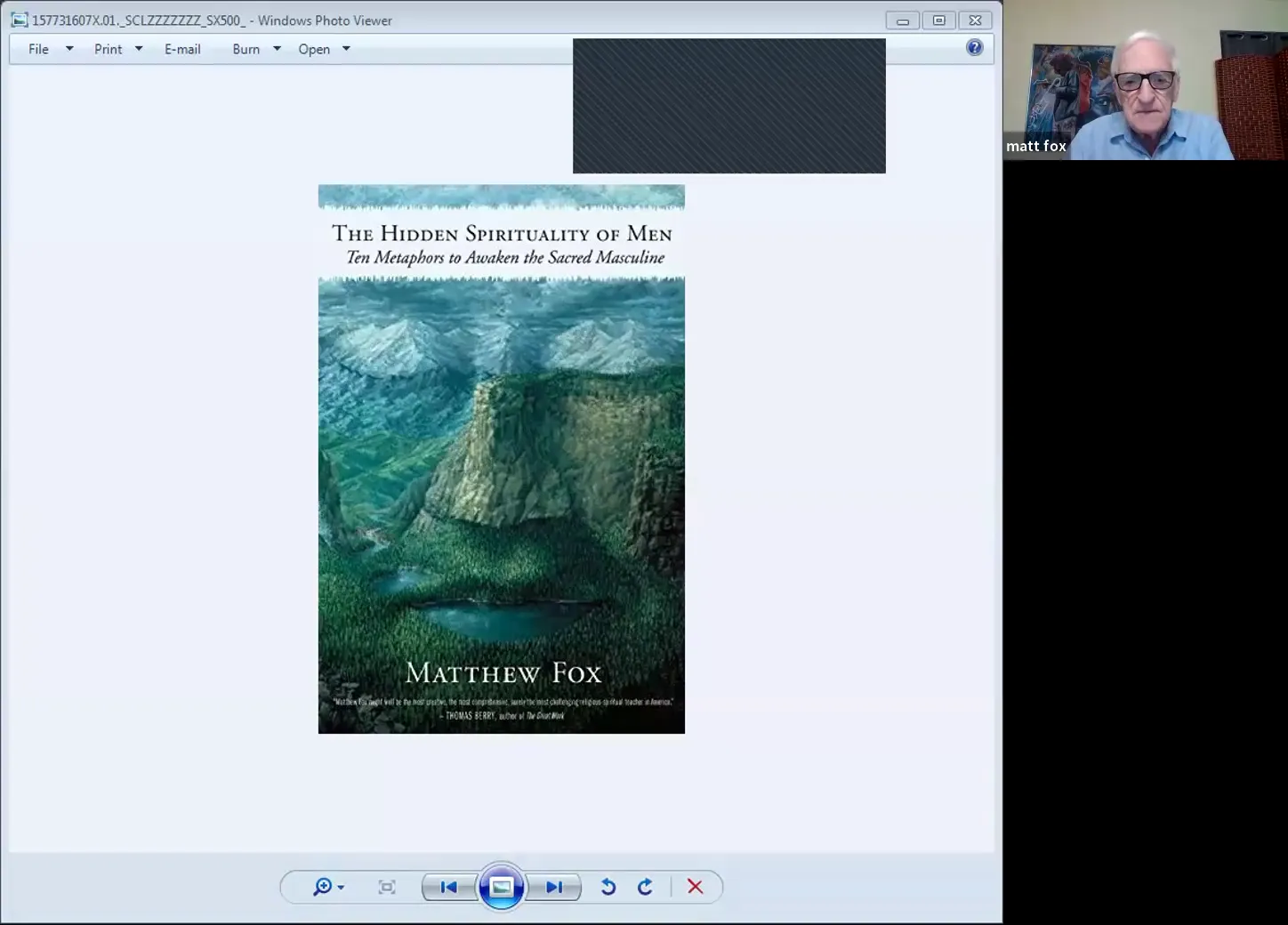
The exploration of masculinity is a vital and urgent conversation in today’s world, where the definition and expression of manhood often seem fraught with confusion, toxicity, and imbalance. Reverend Matthew Fox, a theologian, author, and activist with over fifty years of dedication to creation spirituality, offers profound insights into this topic through his seminal work, The Hidden Spirituality of Men: Ten Metaphors or Archetypes to Awaken the Sacred Masculine. This article delves deep into the themes and archetypes Matthew presents to illuminate a pathway toward recovering a healthy, sacred masculinity—one that honors both men and women and addresses the challenges of our age.
Understanding the Crisis of Masculinity
Matthew Fox begins by recognizing a palpable crisis in how masculinity is defined and lived. The news frequently highlights troubling manifestations: the rise of authoritarian “strongmen” on the world stage, the alarming rates of male suicide, and the destructive behaviors that harm both society and the environment. For example, men commit suicide three to four times more than women, a statistic that has received far less public attention than it deserves. Fox emphasizes that if the roles were reversed, there would be widespread outrage and mobilization.
The root of many of these issues lies in a distorted model of masculinity, which Fox associates with what he calls the “unleashed reptilian brain”—a survival-based, competitive, and often violent mindset of “I win, you lose.” This mindset contributes to toxic masculinity and underpins social problems such as violence, environmental degradation, and political authoritarianism.
Moreover, Fox challenges the longstanding cultural dualism that separates spirit from matter, highlighting how this division has led men to resent “Mother Earth” and dismiss the feminine aspects of life. This disconnection has grave consequences for ecological stewardship and human well-being alike.
Why Women Should Care About Healthy Masculinity
Fox stresses that the conversation about masculinity is not exclusively for men. Women have a vested interest in nurturing healthy men in their lives—whether as partners, fathers, sons, or colleagues. Additionally, the feminine psyche is not purely feminine; it contains masculine elements, just as men embody feminine qualities. When masculinity becomes toxic, women also suffer and can become dangerous in their own right, as seen in the rise of authoritarianism globally.
One of the earliest responses Fox received about his book came from a woman who had spent decades recovering the divine feminine. She noted that while she had an extensive library on the feminine, she lacked resources addressing the sacred masculine. Her realization that men too suffer under patriarchy reframed her understanding of feminism as a shared project: women and men working together to detoxify masculinity and develop healthier alternatives.
The Archetypes: Pathways to the Sacred Masculine
To counter the crisis, Fox proposes exploring ten archetypes—ancient metaphors that embody the nobility and depth of healthy masculinity. These archetypes transcend culture, religion, and time and offer a rich vocabulary for men and women to reconnect with the sacred masculine. Below, we explore several key archetypes that Fox highlights.
1. Father Sky: Reconnecting with the Cosmos
Father Sky represents the vast, awe-inspiring cosmos and the spiritual dimension of masculinity. Fox points out that for centuries, most cultures have recognized the complementary forces of Father Sky and Mother Earth. However, modern science, especially the Newtonian worldview, taught us to see the universe as a dead machine, encouraging men to suppress their souls and emotions in favor of mechanical obedience.
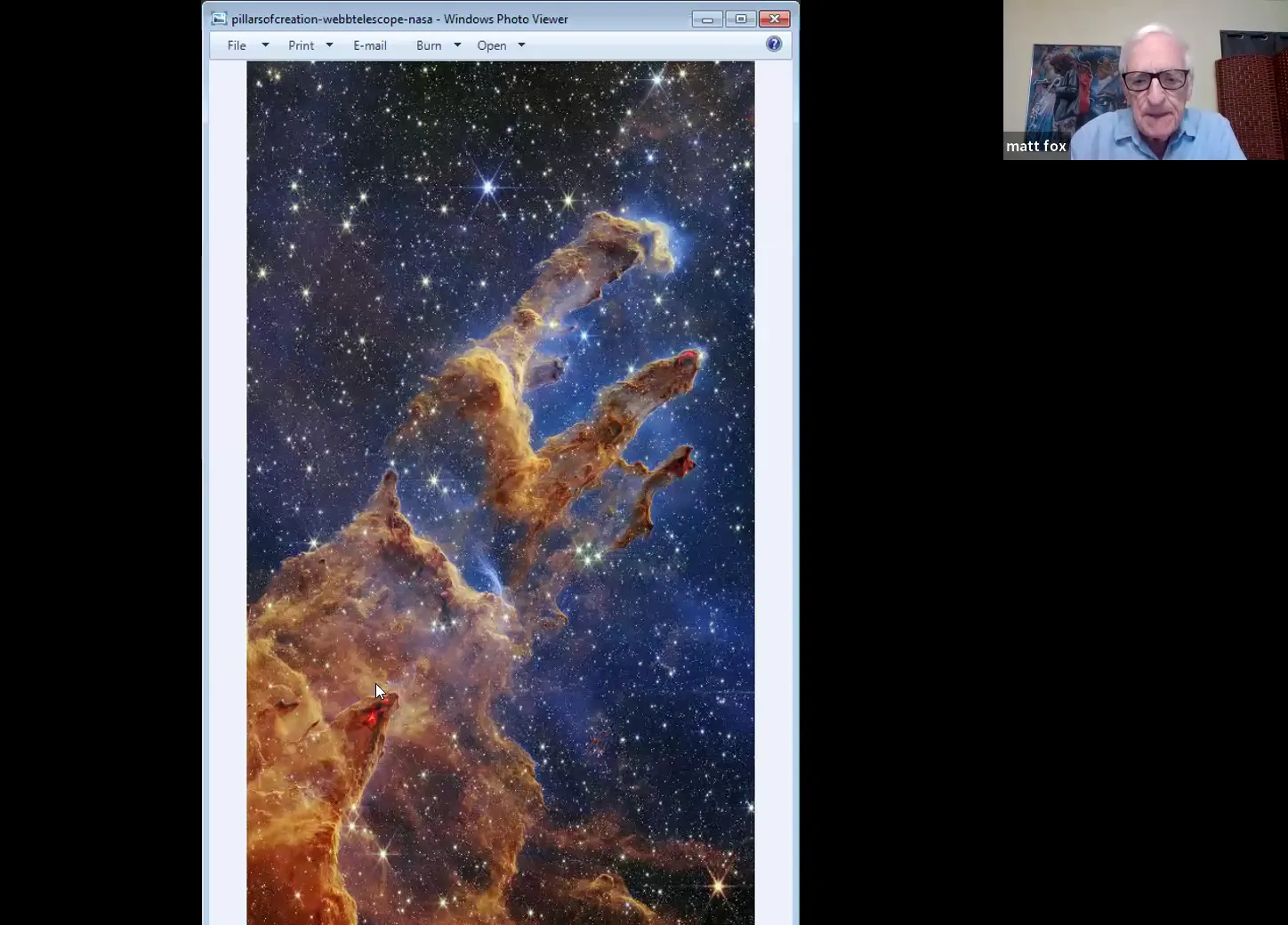
Today, this mechanistic view is being overturned by discoveries from instruments like the Webb Telescope, revealing a universe teeming with life and wonder. Stars are born every fifteen seconds, and our sun alone holds a million Earths within its vastness. This cosmic vitality invites men to expand their souls and reclaim their place in the universe.
“To be human, one must make room in one’s heart for the wonders of the universe.” — Indigenous wisdom from South America
Fox cites the writer D.H. Lawrence lamenting how modern life has cut us off from the cosmic rhythms of the sun, stars, and seasons, leaving us “bleeding at the roots.” Reconnecting with Father Sky is an antidote to this spiritual impoverishment and a foundation for a healthy masculine presence.
2. The Green Man: Guardian of the Earth
The Green Man is a powerful symbol of our interconnectedness with the vegetative world and a call to environmental stewardship. This archetype re-emerged prominently in 12th and 13th-century European cathedrals, often alongside images of the divine feminine, reflecting a balance between masculine and feminine energies.
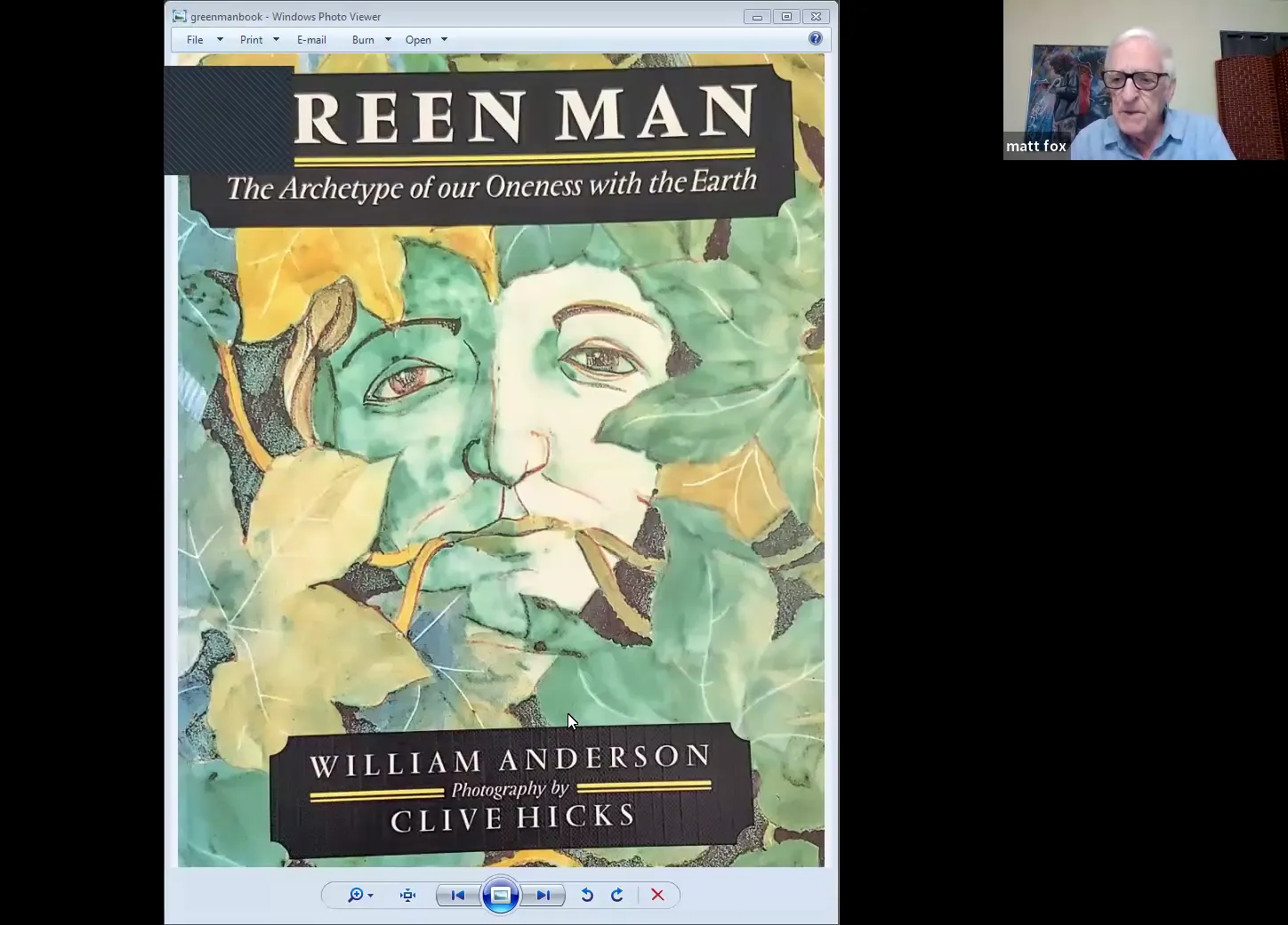
Fox explains that the Green Man embodies the warrior spirit defending Mother Earth, rooted literally in the earth like the trees themselves. Trees, as noted by German scientist Fred Hageneder, are among the most successful and vital life forms on Earth, maintaining climate balance and hosting biodiversity.
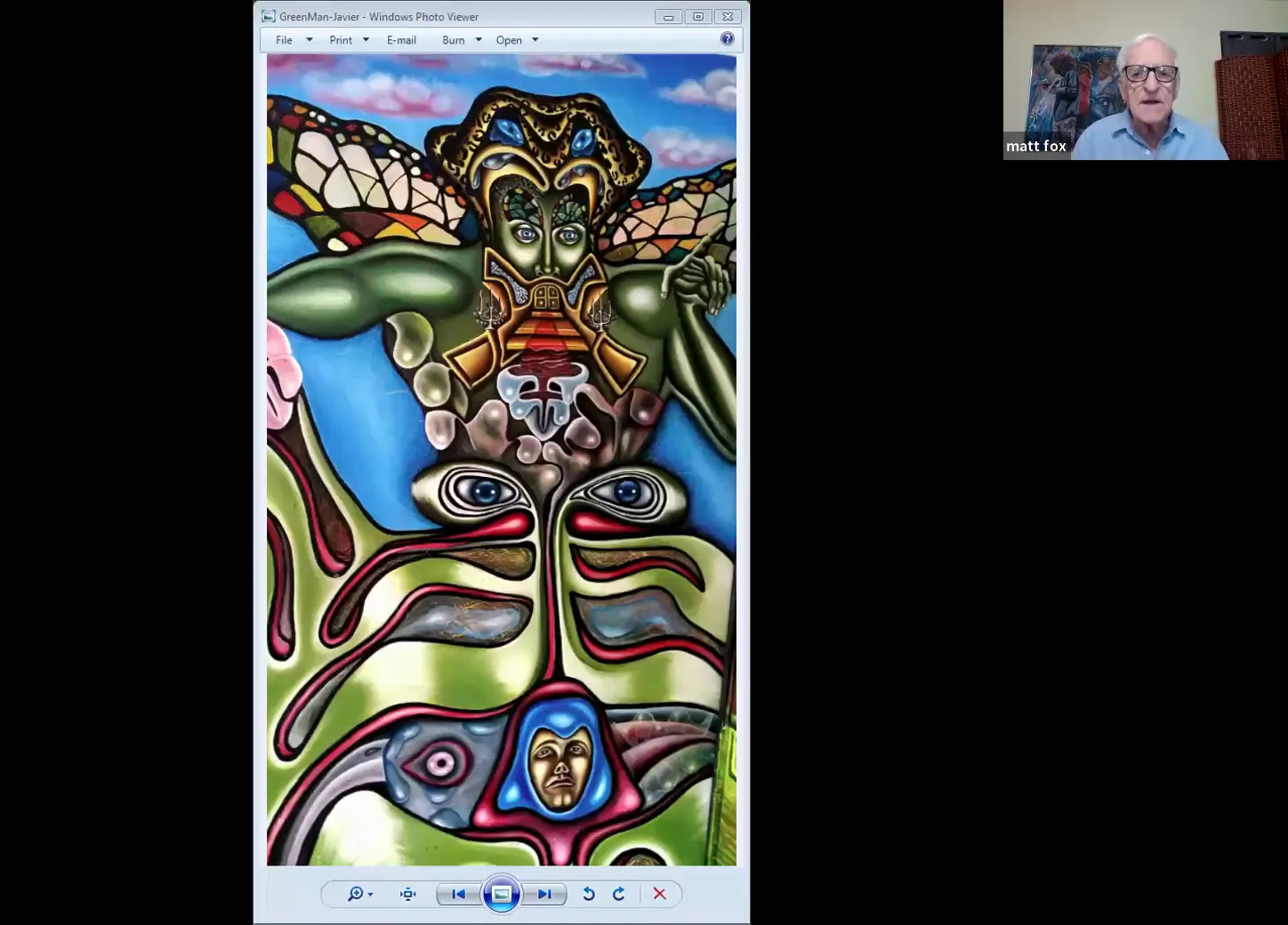
The Green Man archetype encourages men to honor their dependence on the natural world and to take up the mantle of protector and nurturer of the environment, a role critical in the face of climate change and ecological crises.
3. The Spiritual Warrior: Inner Strength and Courage
Distinguishing between soldiers and warriors, Fox shares a story from a Native American elder who described a four-year training to transform from a soldier—someone who follows orders without question—to a warrior—someone who has done inner work and embodies courage and compassion.
Spiritual warriorhood involves an inner strength that protects one’s nobility and fuels the courage to face injustice and suffering. Fox references Hafiz, a 13th-century Sufi mystic, who poetically contrasts the soldier dying in pain with the victorious horseman who carries his heart to the world.
Fox challenges those uncomfortable with the word “warrior” due to its association with violence, reminding us that in many traditions, including Christianity, a warrior is synonymous with a prophet—someone who interferes for justice. Martin Luther King Jr.’s definition of hope as “not quitting” captures the essence of this archetype.
4. The Hunter-Gatherer: Survival and Creativity
For 95% of human history, our ancestors lived as hunter-gatherers, an archetype that represents survival energy, creativity, and the quest for knowledge. Fox invites us to reflect on how this primal instinct manifests today—whether in consumerism or in more meaningful pursuits like scientific discovery, artistic expression, and community building.
He cites Thomas Merton’s critique of the 1960s space race, questioning the value of exploring outer space while neglecting the inner journey of the human soul. The hunter-gatherer archetype calls us to balance external exploration with deep inner work.
5. The Blue Man: Compassion and Healing
The Blue Man archetype, inspired by the 12th-century saint Hildegard of Bingen, symbolizes healing Christ consciousness and compassion. Hildegard’s mandala features a sapphire blue man with outstretched hands, representing the flow of heart energy into action.
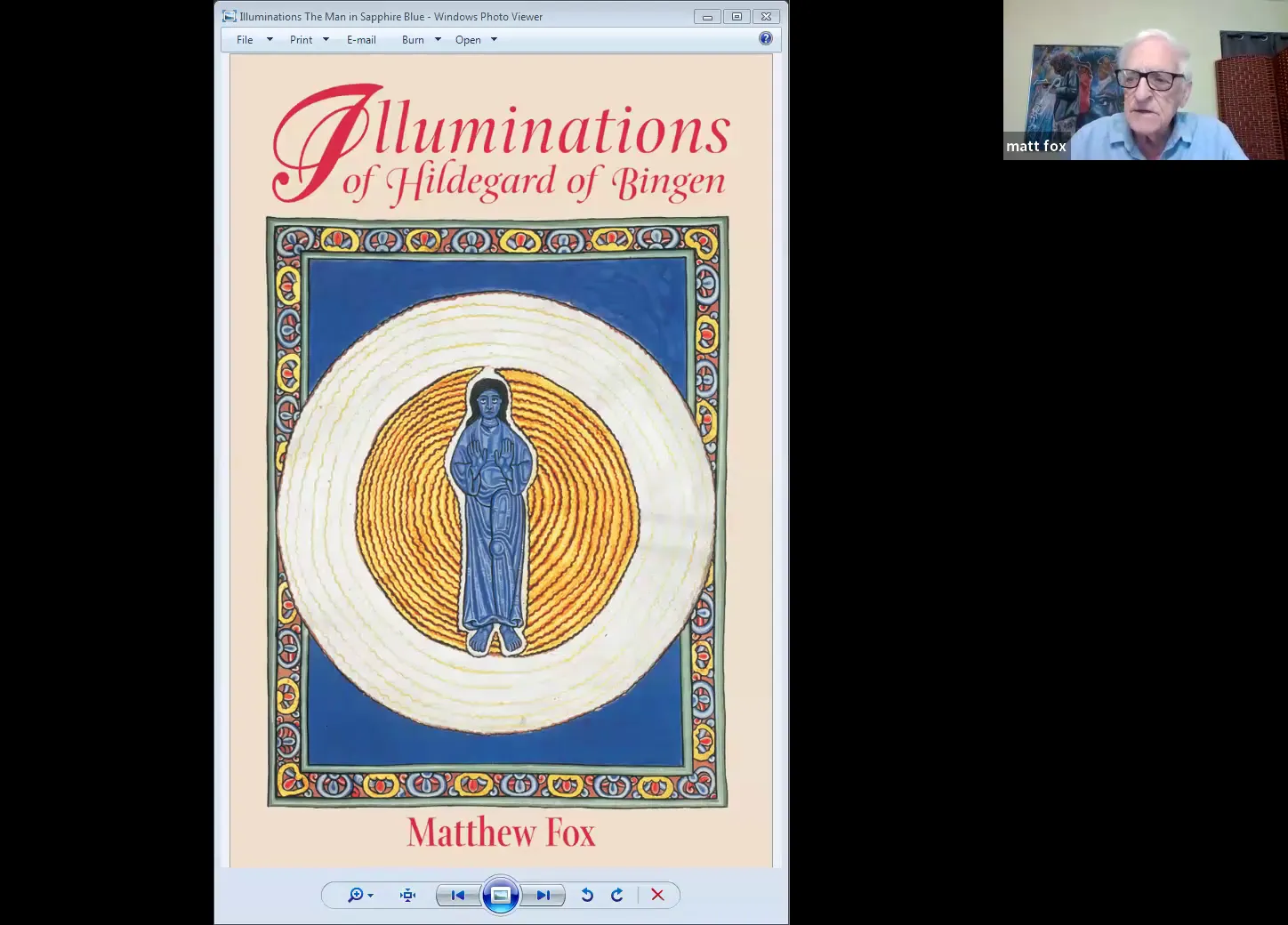
Swami Muktananda, a 20th-century Hindu saint, also reported a vision of a blue man emerging from a pearl during a powerful meditation, linking this archetype across cultures and epochs. The pearl, an imperfection transformed into a gem, symbolizes the potential within our own imperfections.
Fox notes that compassion is central to all major spiritual traditions. The Dalai Lama famously said, “We can do away with all religion, but we can’t do away with compassion,” and Jesus taught, “Be you compassionate as your Creator in heaven is compassionate.”
The Other Archetypes and Themes
In addition to these five principal archetypes, Fox explores others such as:
- Icarus and Daedalus: Challenging the traditional interpretation of the myth as youthful disobedience, Fox sees it as a story about generational communication and the encouragement for young men to soar spiritually.
- Fatherly Heart: The awakening to fatherhood as a mystical experience, often first felt when a man witnesses the birth of his child, bringing awe and responsibility.
- Grandfather Sky: The role of elders in passing wisdom and stories to younger generations, a vital archetype diminished in contemporary culture.
- Masculine Sexuality: Exploring the numinous and sacred aspects of male sexuality.
- Cosmic and Animal Bodies: Recognizing that our bodies carry billions of years of cosmic history, linking us to the universe.
Fox concludes his work by emphasizing the sacred marriage of the feminine and masculine, symbolized in rituals such as the union of the Green Man and the Black Madonna, a powerful representation of divine feminine energy returning to balance the sacred masculine.
Healing Toxic Masculinity: Practical Approaches
Fox shares moving testimonies about the impact of his work. For instance, a Native American elder working with prisoners found that Fox’s book was the first to encourage men in prison to look inward, awakening “the nobility inside.” This inner nobility is often obscured by cultural narratives of original sin and patriarchy, which foster self-hatred and violence.
Fox critiques the traditional Christian emphasis on sin, describing it as an “antilife depressant” that stirs guilt and shame, especially in men. He contrasts sin with evil and argues that overemphasis on sin distracts from confronting systemic evils and engaging in spiritual warriorhood.
In liturgical practice, Fox advocates for alternatives to confession-centered worship, such as cosmic masses that incorporate ancient practices like dancing, grieving rituals, and the use of Aramaic prayers that reconnect worshippers with the original spirit of Jesus’ teachings.
One powerful grieving practice involves participants getting down on all fours, placing their foreheads on the ground, and vocalizing grief from the gut chakra, creating a safe communal space for release and healing. This method has transformed individuals across traditions, including atheists, by tapping into the embodied nature of grief.
Fox also recommends daily drumming as a personal practice to facilitate emotional release and healing, emphasizing that grief is bodily and must be addressed in the body as well as the mind.
Spreading the Message: Education, Art, and Community
Addressing the question of how to bring these archetypes into modern life, Fox highlights the essential role of artists—musicians, poets, playwrights, dancers, filmmakers, and storytellers—in making archetypes alive and relevant. He envisions educational programs, retreats, and workshops where men and women explore these archetypes through creative expression and theater, fostering deep engagement beyond intellectual understanding.
Fox stresses that archetypes are flexible and inclusive, welcoming diverse cultural and religious backgrounds. They offer a unifying language for addressing masculinity’s challenges, inspiring healthier expressions and preventing violence, especially among young men.
In schools, these archetypes could be integrated into psychology, literature, art, and philosophy courses, providing youth with positive role models and contemplative practices. Fox also underscores the importance of intergenerational dialogue, where elders share stories that nurture the youngest generations.
Role Models: Embodying the Archetypes in Today’s World
Healthy masculinity is also embodied in role models who live these archetypes authentically. Fox acknowledges figures such as Martin Luther King Jr. as the spiritual warrior, Fred Rogers as the Blue Man of compassion, and scientists like David Ho as hunter-gatherers of knowledge.
He cautions against idolizing heroes without recognizing their human imperfections, advocating instead for seeing greatness in ordinary people who demonstrate courage, trust, and commitment in their daily lives. Fox shares stories of forest defenders, community activists, and spiritual leaders who embody the nobility inherent in these archetypes.
Conclusion: A Call to Awaken the Sacred Masculine
The hidden spirituality of men, as Matthew Fox presents it, is a call to rediscover the nobility, compassion, courage, and cosmic connectedness that are the true heart of masculinity. This journey requires detoxifying toxic cultural narratives, embracing ancient archetypes, and fostering creative, embodied practices that awaken the sacred masculine in men and women alike.
As Fox reminds us, the future of humanity depends on restoring balance between the divine feminine and sacred masculine. Through education, art, community, and spiritual practice, we can cultivate a healthier masculinity that honors the earth, promotes justice, and nurtures the soul.
Let us embrace the challenge to awaken the hidden spirituality of men—not only for the sake of men but for the flourishing of all life on this precious planet.
Join the Movement to Awaken Healthy Masculinity
To further explore and engage with the vital work of cultivating healthy masculinity, consider participating in summits and workshops that bring together thought leaders, activists, and community members. These gatherings offer practical tools and inspiring conversations designed to support men and women in embracing the sacred masculine in ways that foster healing, balance, and justice.
Whether you are a spiritual seeker, educator, artist, or simply someone interested in promoting positive change, these events provide a meaningful platform to deepen your understanding and contribute to the shared journey of awakening the hidden spirituality of men.
Join Matthew Fox Live at The Healthy Masculinity Summit
a free summit on a timely topic that affects everyone


