

This program is an excerpt from The Uncovering Happiness Symposium, hosted bye Elisha Goldstein. You can purchase the entire program here.
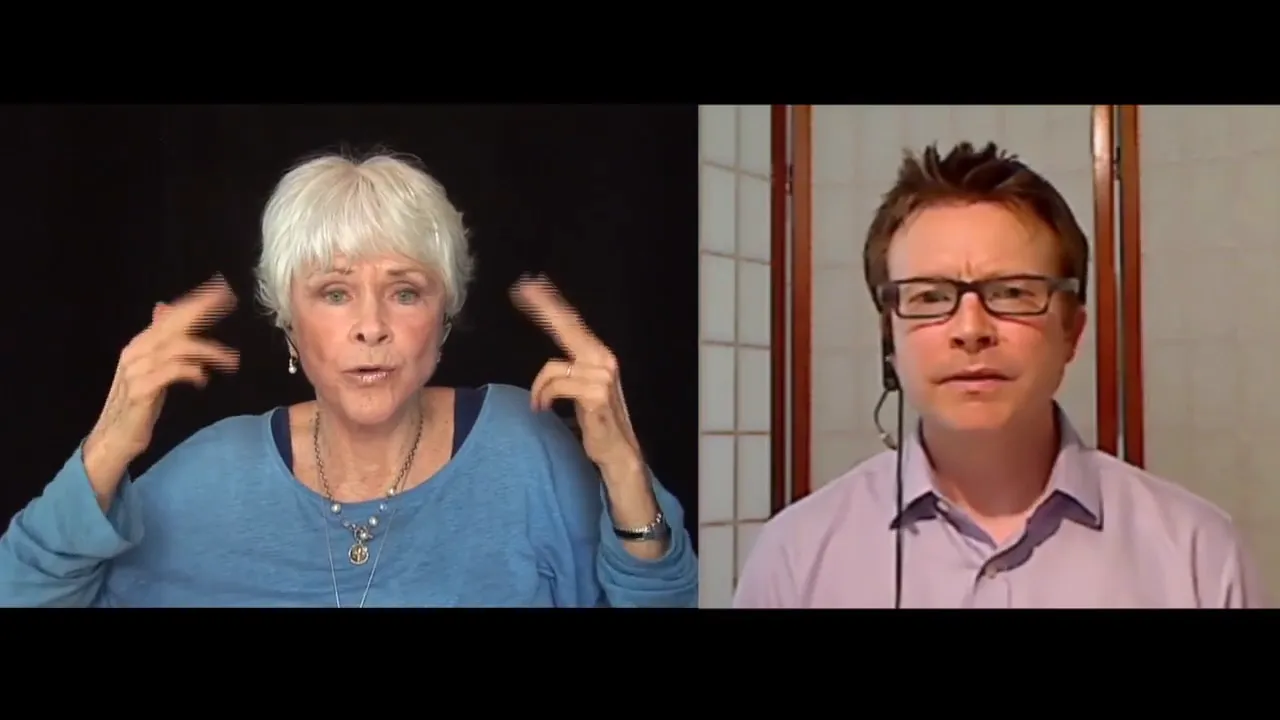
In a profound conversation with Elisha Goldstein at The Uncovering Happiness Symposium, Byron Katie reveals transformative insights about the nature of mind, suffering, and freedom. Her teachings invite us to question the thoughts that shape our reality and relationships, ultimately leading to a deeper understanding of our true nature and the end of suffering. This article explores the core concepts Byron Katie shares, including the power of inquiry, the role of beliefs in creating problems, and practical tools like the Turnaround to shift perspective and cultivate peace.
The Nature of Thoughts and One Mind
Byron Katie begins by emphasizing a simple yet revolutionary idea: there are no new stressful thoughts. “They’re all recycled in every language in the world,” she explains. Thoughts like “I don’t feel good,” “There’s something wrong with him,” or “She shouldn’t have done that” are not unique. These repetitive, often negative thoughts shape the way we see the world.
When we believe these thoughts, we continue to experience the world through their lens. However, when we question them, the world appears very differently—no longer filtered by beliefs but seen in its true nature. This shift removes the “asleepness” from our perception and allows us to recognize that “there’s nothing that isn’t beautiful and there’s nothing that’s not free already.”
Byron Katie shares a touching example from her own life, reflecting on her children when they face challenges. Even if they are “stuck in some kind of problem and worried over it,” she sees them as amazing beings. Their problems, she realizes, are created by their own thoughts and beliefs. Without those thoughts, there is no problem. This insight underscores a profound truth: our experience of reality is shaped entirely by what we believe.
One Mind: The Collective Human Experience
Byron Katie describes humanity as sharing “one schizophrenic bipolar mind.” Every person’s thoughts and beliefs collectively form this singular mind. “If you put every human being, everything they’re thinking and believing, you have one mind.” This understanding dissolves the illusion of separation and highlights a universal connection.
When the mind clears—when we understand the nature of mind and thought—suffering ends. This realization also profoundly impacts relationships, a topic Byron Katie explores deeply. She mentions a powerful tool called the “judge your neighbor worksheet” used in her nine-day workshops, where participants write down everything they dislike about others. This exercise uncovers the judgments and beliefs that shape their interactions.
Byron Katie stresses that beneath gender, roles, and identities, there is only “mind believing,” which creates distinctions like men and women, stars and moons, you and me. Recognizing this unity fosters a deep sense of connection and compassion, freeing us from guilt and blame.
Understanding Responsibility and Compassion
One of the most liberating ideas Byron Katie shares is that no one is guilty for the harm they cause—rather, they are simply believing their thoughts. She explains, “If I hurt you, I would understand why I would do that. I’m believing my thoughts. I have no choice.” This perspective encourages compassion rather than judgment.
Byron Katie recounts her visits to prisons, where she witnesses firsthand how people’s beliefs lead them into harmful actions and incarceration. Yet, when inmates engage in inquiry—the process of questioning their thoughts—they experience a transformation. They leave prison with a new understanding of themselves and what to do differently, illustrating the power of The Work as a path from problem-solving to unlimited freedom and creativity.
The Power of Mindfulness and Collective Freedom
As Byron Katie observes individuals and communities adopting mindfulness and inquiry practices, she sees a shift in the collective consciousness. This awakening fosters the realization that “your freedom is my freedom. My freedom is your freedom. What’s good for you is good for me.” Such a perspective nurtures a collective “we” that transcends individual separateness.
Byron Katie shares personal testimonies of how The Work has unexpectedly liberated her from various struggles: smoking, alcohol, compulsive overeating, and anger all “quit” her. These changes were not planned but emerged naturally by questioning her thoughts. Interestingly, what she considered positive qualities were enhanced, leaving her “a kinder human being” connected to her “true nature that’s immovable.”
The Definition of Happiness: An Immovable True Nature
Byron Katie offers a profound definition of happiness: an “immovable true nature.” Despite the waves of emotions and thoughts that come and go, there is an underlying confidence in “who I know I am.” This foundation is unshakable and beyond the reach of any external circumstance.
Any thought or belief opposing this immovable nature moves our awareness away from it, causing suffering. Thus, the key to lasting happiness is to question and return to this true nature, which is “powerful” and liberating.
Introducing the Turnaround: A Tool for Shifting Perspectives
One of the practical tools Byron Katie teaches is the Turnaround, which invites us to flip our stressful beliefs to their opposites to gain insight. For example, the belief “He doesn’t care about me” can be turned around to “He does care about me.” By contemplating this opposite, we meditate on what it truly means and how it feels in relation to our experience.
Another turnaround involves turning the belief on ourselves, such as “I don’t care about him,” encouraging us to explore moments when we may have been uncaring and to make amends or offer apologies, whether to others or ourselves.
This process is not about dismissing or pushing away thoughts but bringing them fully into awareness with love and gentleness. Byron Katie likens thoughts to children who cry for attention until we listen and hold them with understanding. By questioning one thought at a time with softness and presence, the rest of the mind begins to relax and trust the process, allowing enlightenment to arise naturally.
The Practice of Meditation and Inquiry in The Work
When Byron Katie talks about meditating on a moment in time, she means being fully present with that memory—the “then” moment—while simultaneously being grounded in the “now.” This dual awareness allows us to witness the situation without guessing or distortion, understanding exactly how we reacted when believing the stressful thought.
For instance, if you recall a moment before starting a conversation where a negative thought arose, you can bring that moment into present awareness and inquire into it. This practice collapses time, healing past moments and preventing them from continuing to influence your present and future.
By staying mindful of these moments and the identity constructs built upon them, we prevent those beliefs from hijacking our awareness. Instead of trying to push thoughts away, we bring them fully into the light of awareness with love, allowing transformation to occur from within.
Embracing Love and Connection with Our Thoughts
Byron Katie emphasizes that love is the power behind this work. We don’t reject or banish thoughts but embrace them with kindness and curiosity. This approach creates a safe space for the mind to trust that it will be attended to, which calms the frantic mental chatter.
Ultimately, the mind “enlightens itself to itself.” There is no separation between the thinker and the thought. When the mind finds its way back to itself, it experiences a beautiful unity that transcends fear and limitation.
By loving what we think, we naturally love what we see in the world, creating a profound sense of truth and fearlessness. Nothing can stop us from acting with kindness when we live from this place of freedom.
Final Reflections and Invitation to Explore The Work
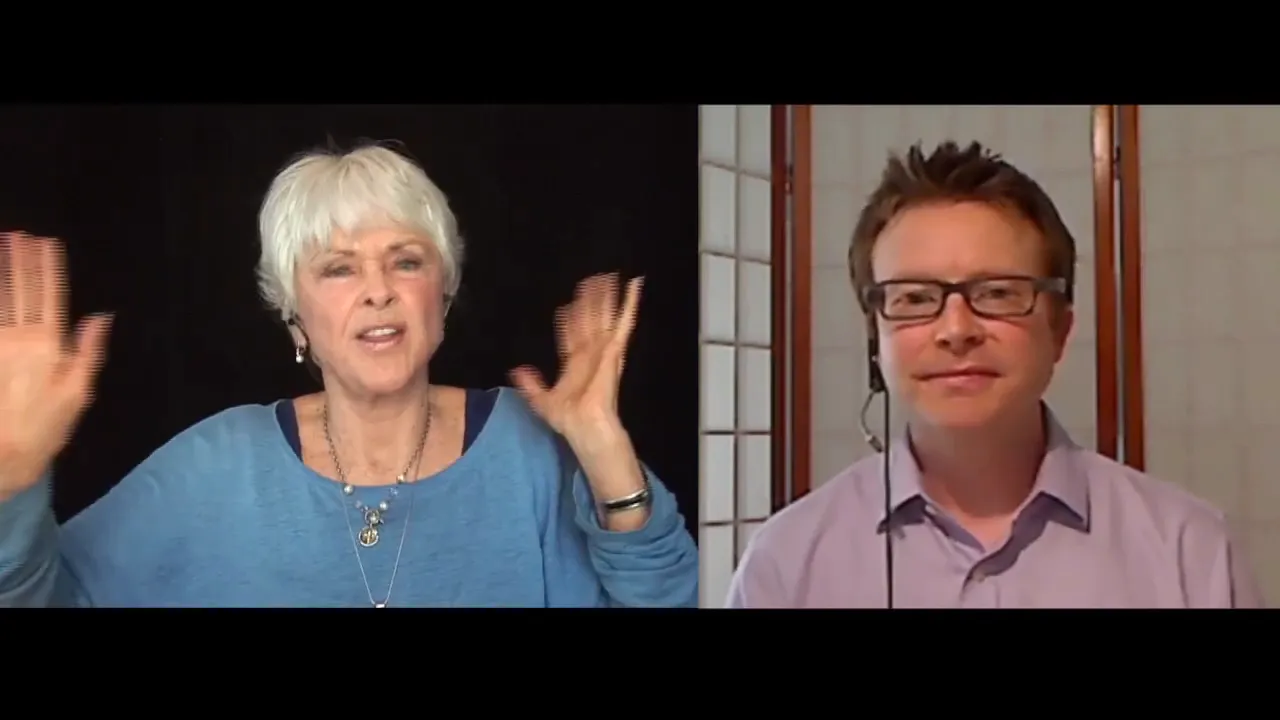
As the conversation closes, the sense of expanded presence and gratitude is palpable. Byron Katie’s teachings live beyond her, inviting everyone to explore and experience this transformative process for themselves.
For those intrigued by these ideas, visiting thework.com offers a starting point. Byron Katie’s nine-day School for The Work is described as a retreat and a powerful opening for the mind, providing a structured and immersive experience to deepen inquiry and transformation.
This method is not only a tool for reducing suffering but a gateway to unleashing the “pure creative mind free and free,” unlocking a life of limitless possibility and connection.
Conclusion
Byron Katie’s approach through The Work and the Four Questions is a radical invitation to question everything we believe about ourselves, others, and the world. By recognizing that all humans share one mind and that suffering arises from unexamined beliefs, we open the door to profound freedom and happiness.
The tools she offers, such as the Turnaround and mindful inquiry into past moments, empower us to shift perspective, heal relationships, and reconnect with our immovable true nature. Through love, presence, and curiosity, we can transform our lives and contribute to a collective awakening where “your freedom is my freedom.”
Embark on this journey of self-discovery and transformation by exploring The Work and embracing the power of questioning your thoughts. Your path to happiness and freedom awaits.


