

Communication between men and women has been a topic of interest for many years, and the insights from bestselling authors Deborah Tannen and Robert Bly remain relevant even today. Their discussion on the differences in communication styles highlights how these differences are rooted in psychological and sociological factors that continue to impact relationships.
The Context of Communication
In their dialogue, Tannen and Bly address the challenges that arise when men and women communicate. They reference a cultural backdrop that often pits the sexes against each other, describing it as a “battle of the sexes.” Bly mentions the initiation of men in cultures like New Guinea, where the breakdown of these rituals has led to societal issues, emphasizing the importance of understanding these dynamics.

Understanding Miscommunication
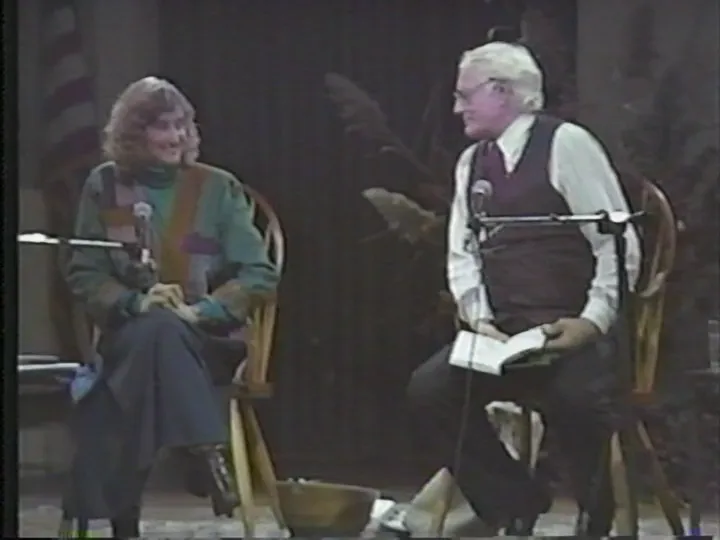
Tannen shares a humorous anecdote about a common misunderstanding between couples. She illustrates this with a scenario where a woman asks her partner if he would like to stop for a drink on the way home. The man interprets this as a straightforward question, while the woman is hoping for a moment of connection before the day ends. This highlights a key difference in communication styles: women often seek rapport through conversation, while men may focus on reporting facts.
Rapport vs. Report
The authors delve into the distinctions between “rapport talk” and “report talk.” Tannen explains that women typically engage in conversation to build connections and foster unity, while men often use conversation as a means to convey information. This difference can lead to frustration for both parties, as men may feel overwhelmed by the emotional aspects of conversation, while women might feel neglected when their partners don’t engage in the same way.
The Impact of Shame and Rituals
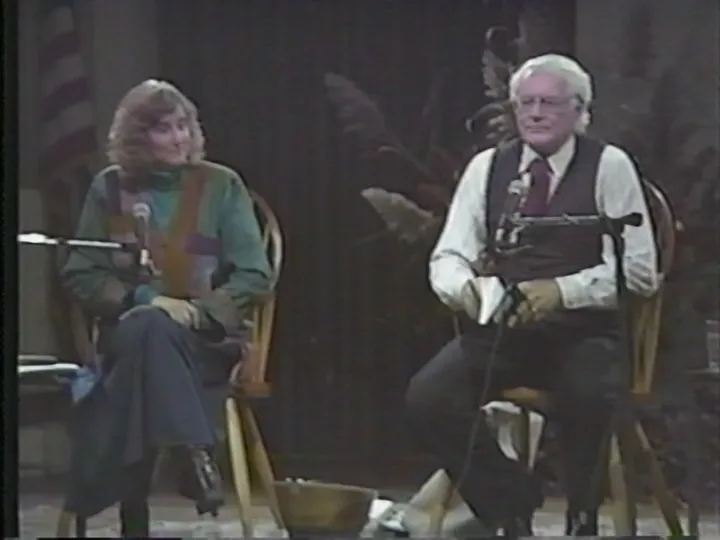
Bly discusses the concept of shame that men experience in social settings, particularly in business. He notes that men often feel they must prove themselves and maintain their status, leading to exhaustion. When they return home, the expectation to communicate can feel burdensome. In contrast, women, who may have been monitoring their speech to avoid being labeled as aggressive, often look forward to expressing themselves in a safe environment.

The Ritual of Conversation
Tannen emphasizes that conversation can be seen as a ritual, especially for women. They have been socialized to share experiences and feelings, which may not be understood by men who have different conversational rituals. This disconnect can lead to misinterpretations and feelings of frustration on both sides.
Strategies for Better Communication
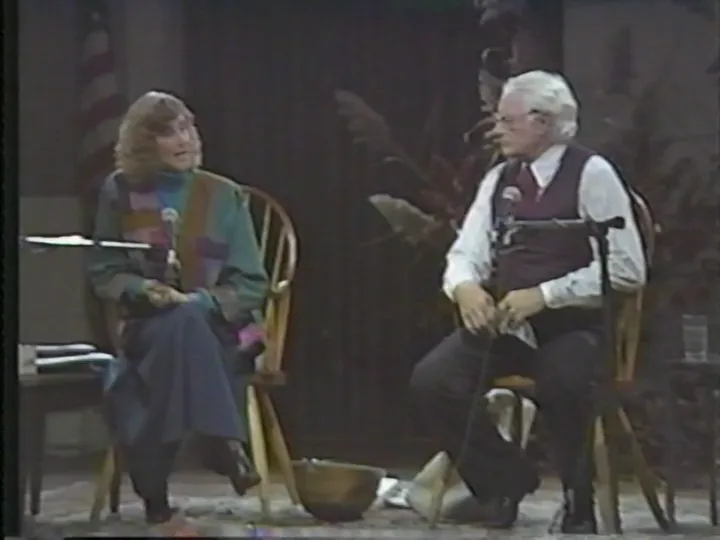
To bridge the gap between these differing communication styles, Tannen suggests that couples can establish agreements on how they communicate. For example, setting aside time for each person to share without interruption can help. Bly adds that men may need to learn to engage in emotional conversations, while women might benefit from understanding the direct approach often favored by men.
Understanding Each Other’s Experiences
Throughout their discussion, both authors stress the importance of understanding and validating each other’s experiences. They argue that recognizing these differences does not mean one style is superior to the other; rather, they are simply different ways of interacting with the world.

Conclusion: The Ongoing Dialogue
The conversation between Tannen and Bly reminds us that the topic of men and women communication styles is complex and layered. Their insights shed light on the psychological and sociological underpinnings that shape our interactions, which remain just as relevant today as they were in 1991. By fostering an ongoing dialogue about these differences, we can create a more empathetic and understanding environment for all.
Ultimately, embracing these differences can lead to healthier and more fulfilling relationships, where both men and women feel heard and valued.
The Robert Bly Audio and Video Collection on BetterListen!
Purchase the complete video here


