


Welcome! I’m Steve Stein, the founder of Better Listen and Wisdom Feed. Today, we’re diving deep into the crucial topic of authenticity—an essential component for good mental health and living a fulfilling life. Our guide on this journey is the insightful Michael Sapiro, PsyD, whose upcoming book, Truth Medicine, promises to shed light on these vital themes.
Understanding Authenticity
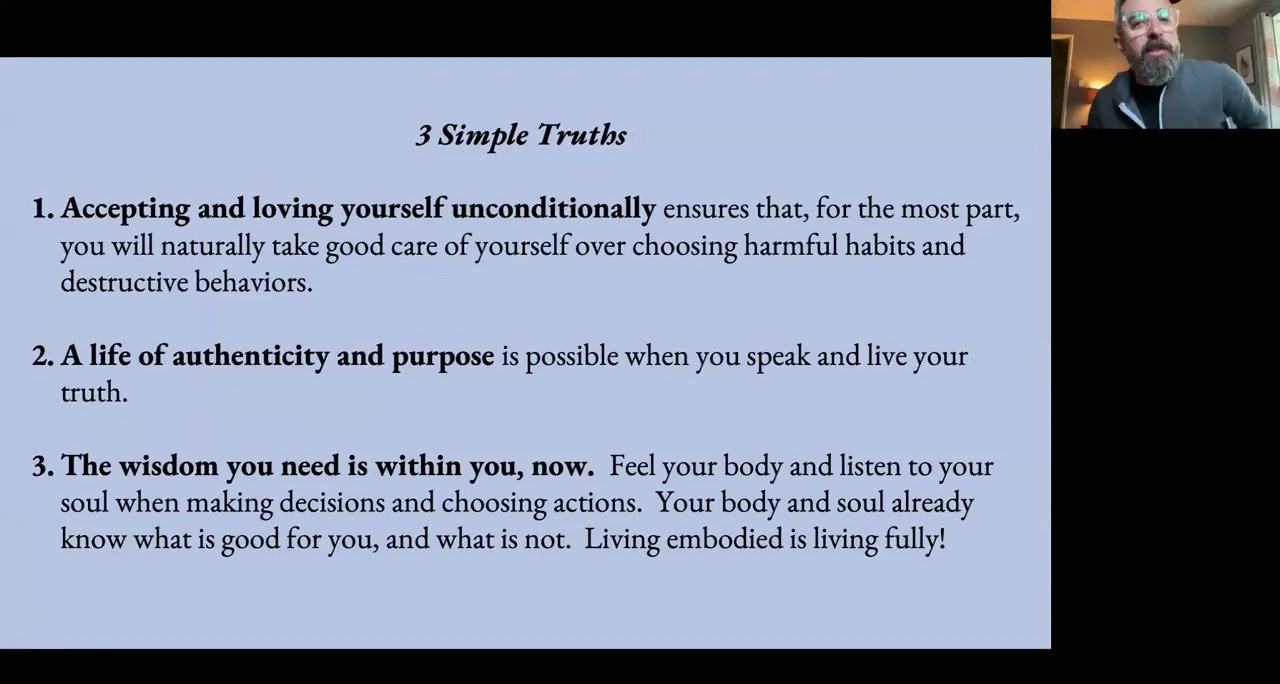
At the core of our discussion is the idea that accepting and loving ourselves unconditionally is vital. When we genuinely embrace who we are, we naturally gravitate toward healthy behaviors and choices. This leads to a life where, despite the challenges we face, we can thrive.
But what does it really mean to be authentic? It’s about living and speaking your truth, which can be incredibly liberating yet daunting. Many of us have conditioned responses that make it difficult to embrace our true selves. Anxiety, for instance, is often dismissed as a negative experience; however, it can serve as a powerful teacher, signaling misalignment within ourselves.
Three Pillars of Authenticity
- Unconditional Self-Love: This is the foundation. Loving yourself, regardless of your past or present circumstances, sets the stage for healing and growth.
- Living Your Truth: Speaking and living your truth creates a sense of purpose. It’s about aligning your actions with your core values.
- Body Wisdom: Our bodies provide invaluable signals. Symptoms like anxiety or depression can indicate areas of our lives that need attention.
The Role of Anxiety
Many people fear anxiety, viewing it as an enemy. However, I propose a shift in perspective: anxiety can be a dharmagate, or a gateway to growth. It prompts us to question what’s out of alignment in our lives. Rather than suppressing these feelings, we should explore them. What is our anxiety trying to tell us?
Real-Life Reflections
During our discussion, participants shared their own experiences with anxiety. One participant, Hannah, a licensed therapist, mentioned how her anxiety lessened after she embraced her truth as a play therapist. This shift allowed her to connect with her authentic self, highlighting the importance of pursuing what resonates with us.
Another participant reflected on the societal pressures that often lead us to pursue careers that don’t align with our true selves. Many find themselves in jobs that once felt right but now only induce anxiety. This disconnect often stems from conditioning—expectations placed upon us by family, society, or even ourselves.

Cultivating Authenticity
So, how do we cultivate authenticity? It starts with self-acceptance. This means recognizing and embracing our strengths and weaknesses without judgment. Acknowledging the parts of ourselves that we might be ashamed of is crucial. This is not an easy task, but it’s essential for growth.
Next, we must learn to communicate our needs and boundaries effectively. Many of us struggle with being people-pleasers, fearing that expressing our true selves will lead to rejection. However, it’s important to remember that our authenticity can inspire others and create deeper connections.
Practice Mindfulness
Mindfulness is another powerful tool in this journey. Taking time to be still and listen to our inner voice allows us to connect with our true selves. It’s in these quiet moments that we can hear our hearts whispering what we truly desire.
Moving Forward
As we wrap up, I encourage each of you to reflect on your own journey toward authenticity. What steps can you take to embrace your true self? What practices, like mindfulness or journaling, can help you connect with your inner voice?
Remember, the journey to authenticity is ongoing. It requires patience, self-compassion, and a willingness to explore discomfort. Let’s commit to this journey together, supporting one another as we uncover our true selves and thrive in life.
Thank you all for joining us today. I hope you feel inspired to embark on your own journey toward authenticity. Until next time!


