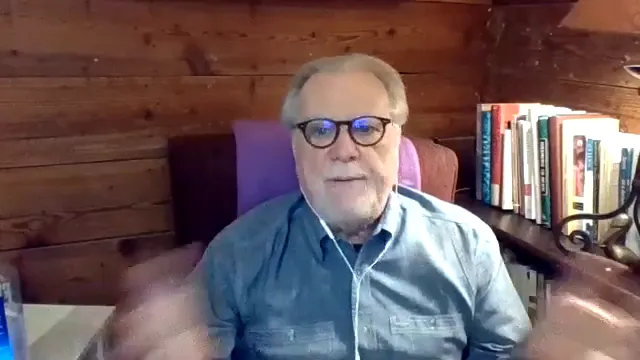
The Anger Solution: A Brief Overview
John Lee, a prolific thinker and author of The Flying Boy, has dedicated decades to understanding anger. His insights stem from observations of societal trends, particularly during times of crisis when anger can escalate. Recently, he noted a significant increase in road rage, airplane incidents, and general frustration among people. This led to the realization that we are experiencing one of the angriest periods in history.
Understanding Anger vs. Rage
One of the critical distinctions in John Lee’s work is between anger and rage. Here’s a breakdown:
- Anger: A primary emotion that is valid and can lead to constructive conversations.
- Rage: A behavior that numbs feelings and often results in regretful actions.
Anger is about what is occurring in the present moment, while rage often drags unresolved issues from the past into current situations, creating more harm than good.
Why Do We Need to Address Anger?
Many individuals experience anger but fail to engage in what is termed “anger work.” This involves addressing the deeper issues that cause anger, often stemming from past traumas or unresolved conflicts. Unfortunately, many therapists are not trained to handle anger work effectively, leaving individuals stuck in cycles of rage without resolution.
Common Misconceptions About Anger
There are several misconceptions about anger that need addressing:
- Anger is often seen as a secondary emotion, when in fact, it is a primary emotion.
- Many believe that expressing anger is always negative, while it can be a healthy part of communication when done appropriately.
- People often confuse anger with rage, leading to destructive behaviors.
Manifestations of Rage
Rage can manifest in various ways, and it’s crucial to recognize these behaviors:
- Shaming
- Blaming
- Demeaning
- Demoralizing
- Criticizing
- Preaching
- Teaching
- Judging
- Analyzing
These behaviors often arise in conflict situations and serve to distance individuals from one another rather than foster understanding.
Styles of Rage
John identifies four styles of rage:
- Interrogator: Rapid-fire questioning that feels accusatory.
- Intimidator: Loud or silent displays of anger that push people away.
- Distancer: Physically or emotionally withdrawing from conflict.
- Poor Me/Martyr: Victim mentality that seeks sympathy without addressing issues.
Recognizing these styles can help individuals understand their own behaviors and the impact on their relationships.
Tools for Constructive Anger Expression
So, how can we express anger appropriately? Here are some strategies:
- Eliminate the word “you” from confrontational conversations to avoid triggering defensiveness.
- Focus on expressing personal feelings and needs rather than assigning blame.
- Utilize safe spaces to vent anger, such as in a car with the windows rolled up.
- Engage in anger work to address past traumas and unresolved feelings.
Conclusion
Understanding and addressing anger is vital for personal growth and healthier relationships. By distinguishing between anger and rage and learning to express emotions constructively, we can foster more meaningful connections with others. For those looking to dive deeper into these concepts, consider exploring The Anger Solution Master Class with John Lee, which offers in-depth insights and techniques.
Stay Connected
For more resources on mindfulness and personal growth, check out BetterListen & WisdomFeed on YouTube and follow us on Linktree.