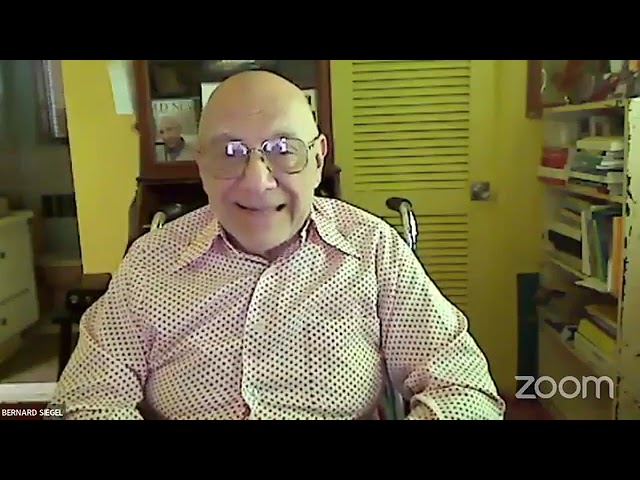
In a recent conversation with BetterListen & WisdomFeed (hosted by Steve Stein), I spoke about what I’ve seen over decades of working with patients: breath, love, humor, and belief are powerful medicines. I shared stories from the operating room, research that supports what feels intuitively true, and a simple guided practice you can use at home to send healing to your body.
Why breath and emotion matter
People often ask, “Why would breathing or a feeling change my immune system?” The answer is simple: your body is always listening to your mind. Emotions send biochemical signals — they alter stress hormones and immune markers. Positive emotions like laughter and love raise immune function; prolonged sadness or grief suppresses it.
One clear example: actors performing a comedy show show increases in immune globulins and decreases in stress hormones, while actors performing a tragedy show the opposite. The same emotional contagion affects audiences. Mood is a physiological message to the body.
The power of humor (and why it’s medicine)
Humor isn’t just pleasant — it’s physiologically beneficial. Laughter lowers stress hormones and boosts immune responses. I’ve had colleagues skeptical at first, but experiments and clinical observations reinforce this: hospitals that welcome compassionate laughter see measurable benefits in patients’ recovery. If you can laugh, you’re in a better biochemical state to heal.
Stories that illustrate mind-body healing
- Breathing for another person: An anesthesiologist or surgeon often breathes for someone — mechanically and symbolically. I once performed resuscitation on a patient with tuberculosis. I did it out of love, and I never got sick. Love and intention change physiology.
- The laughter study in cancer patients: In a Scandinavian study, cancer patients were asked to laugh for no reason every three hours. After a year, more people in the “laugh-for-no-reason” group were alive and healthier than a control group instructed not to laugh unless genuinely amused.
- Support groups and survival: When a psychiatrist set up group meetings for women with cancer, more of those who participated survived compared with those who didn’t attend. Connection and emotional support affect outcomes.
- Transplant intuition: A woman who received a heart–lung transplant described cravings (a beer and chicken McNuggets) and dreamed of a young man who matched the donor’s obituary story. Body memories and meaningful connections show how deep mind–body links can be.
- Body love and remission: A woman with polio-related wasting didn’t want to die still disliking her body. She lay naked in front of a mirror and lovingly honored each inch of herself, inch by inch. Her condition went into complete remission. Loving attention can change how the body behaves.
- Nature as therapy: A landscaper told me he would rather spend his spring making the world beautiful than undergoing aggressive treatment. Time in nature, purposefulness, and connecting to something larger can redirect healing trajectories — sometimes dramatically.
What the body remembers
Our bodies store memories. Surgery patients sometimes report hearing parts of conversations while anesthetized. Children’s drawings often reveal fears or insights their parents don’t see. These body–memory cues can reveal what needs attention and compassion. Treating a person as a whole — not a diagnosis on a chart — changes outcomes.
Examples from practice
- Children drawing black-only pictures suggested family dynamics; asking about meaning opened doors to care.
- Patients who visualized medicine as poison often experienced many side effects; those who imagined treatment as a gift tended to tolerate therapy better.
- Patients who felt loved and believed their bodies could heal frequently required less pain medication and recovered more smoothly.
A practical guided meditation: Loving your body
If you want one practice to start with — try this. It’s simple, portable, and rooted in the same principles I’ve used with patients for years. You can do it lying down before sleep or sitting comfortably at any time.
Take a deep breath of life and look up. Let your eyes close gently. Become aware of your heart beating regularly, smoothly. Fill your heart with love and tell your heart what you are planning to do: to love it and to love every organ in your body.
Open every cell to love. Begin to pump that love out into your body from your heart and feel the difference when the love arrives. If you have areas that are inflamed, sore, or problematic, give them an extra dose of love. Don’t overlook any organ — think of the body as an orchestra where every instrument deserves attention.
Send your package of love to any part that needs to know it’s cared for. Healing isn’t about perfection; it’s about completeness. Repair and restore until you have a complete body you can enjoy being in.
When you feel ready, give yourself a hug, take a full breath of life, and return to your day or your sleep, carrying that love with you.
Simple practices you can use daily
- Schedule “temple bells”: pick a simple sound (a phone chime, a soft bell) and when it rings, stop, breathe peace for 30 seconds, and reconnect.
- Laugh on purpose: watch or listen to something funny, tell a lighthearted story, or smile more often to shift your chemistry.
- Nature time: spend regular, mindful time outdoors. Walking, gardening, or simply sitting beneath trees regulates the nervous system.
- Mirror practice: if you struggle with body image, spend a short, daily period honoring parts of your body — even small phrases like “I love my hands” can change internal signaling.
- Find or create supportive groups: community and shared meaning are powerful. Purposeful meetings or support groups change outcomes.
Final reflections: Let the heart guide you
One motto I often share: let your heart make up your mind. When faced with decisions, ask what makes you happy and what aligns with love and purpose. You don’t have to separate mind and body — they’re one system responding to the same signals. Be open to redirection: when something closes, another door will open. Live with intention and generosity; you will help others simply by being present.
If you’d like to explore more, there are books, guided recordings, and groups that go deeper into these practices. My work and many resources are available through WisdomFeed and community programs that bring ancient wisdom to street level in practical ways.
Closing
Breath, humor, love, and meaning are not nice extras to add to life — they’re part of medicine. Start with a breath, a laugh, or a mirror. The small, repeated acts of care change the chemistry of your life and your health.
“Do what makes you happy. Let your heart make up your mind.”