

Visit the Mark Matousek Collection on BetterListen!
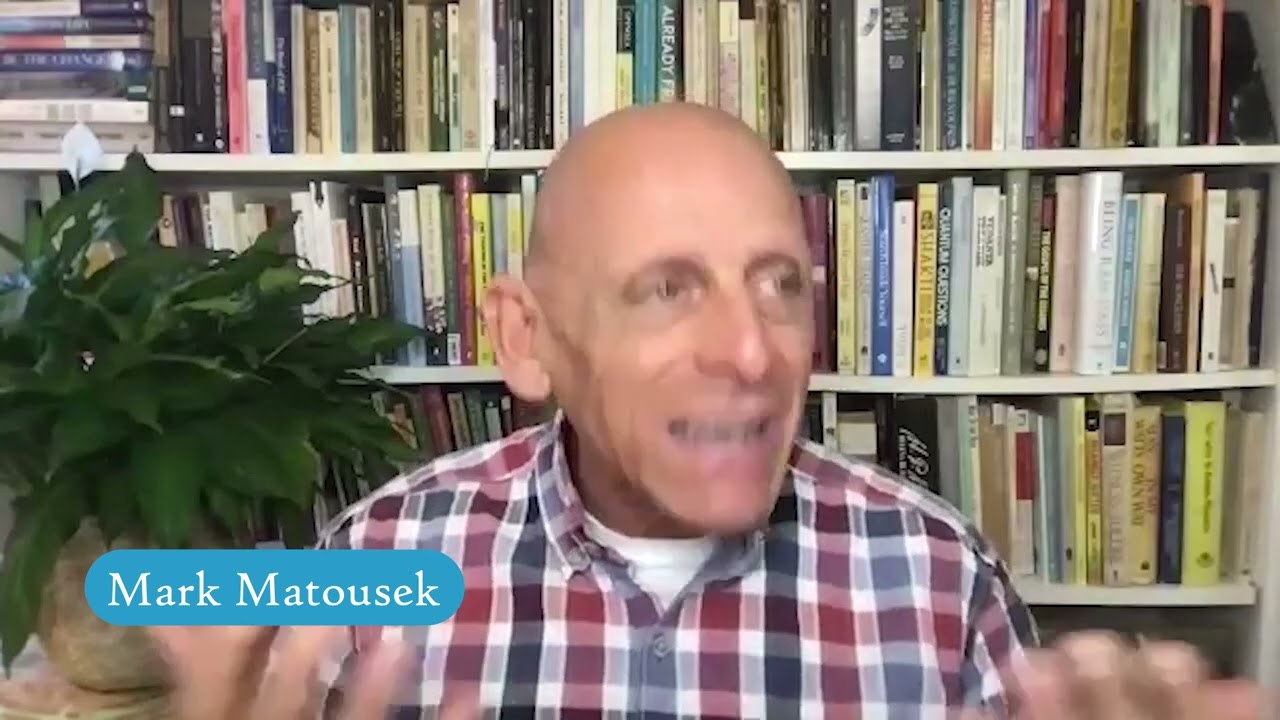
Gratitude is often spoken about as a simple feeling or a quick mental note of thanks. But what if awakening genuine gratitude requires a deeper exploration of the obstacles within ourselves? Mark Matousek offers a transformative approach to gratitude that goes beyond surface-level appreciation. By using writing as a tool, he guides us to uncover and dissolve the self-sabotaging beliefs and stories that block our ability to feel truly thankful. This practice invites us into a paradox: that by investigating what prevents gratitude, we actually awaken it more fully.
Using Writing to Cultivate Genuine Gratitude
One of the most powerful ways to access gratitude, according to Mark, is through reflective writing. Writing allows us to awaken gratitude by revealing the myths and self-limiting narratives we tell ourselves. These stories often involve self-pity or conditions that we believe must be met before we can feel thankful. For example, we might think, “I would be grateful if only things were different,” or “I’ll be thankful when this problem is solved.”
Through writing, we can dispel these myths and remove the shackles of self-sabotaging thoughts. It’s a practice of self-inquiry that helps us see clearly what is holding us back from experiencing gratitude in the present moment.
Exploring Obstacles to Gratitude: What’s Really in the Way?
Mark encourages us to ask ourselves daily: “What is preventing me from being grateful for the miraculousness of this day?” This question is a doorway into self-awareness. It invites us to examine our personal beliefs, expectations, and attachments that create barriers to gratitude.
By paying attention to these obstacles, we learn a great deal about ourselves. We uncover the provisional and conditional thinking that shuts gratitude down. These conditions might be unconscious, but recognizing them is the first step to freeing ourselves from their grip.
The Role of Conditional Thinking
Many of us carry within us the idea that gratitude is something to be earned or deserved. This conditional mindset says, “I’d be grateful if…” and then fills in the blank with circumstances, achievements, or outcomes. The problem is that these “ifs” keep gratitude at arm’s length, making it dependent on external factors instead of allowing it to arise naturally.
Mindful Reflection on the Preciousness of the Present
Another key insight Mark shares is the importance of recognizing the fragility and uniqueness of each moment. The present instant—the very one we are living right now—will never happen again in all of time. It is a singular, miraculous event.
When we truly grasp this, the moment becomes infinitely more precious. Even the simple fact that we are here, connected in this moment across space and time, is astounding. Gratitude blooms when we hold this awareness with attention and openness.
The Paradox of Gratitude Practice
Here lies a beautiful paradox: focusing on what prevents gratitude can actually help us awaken it. By shining a light on the obstacles, we clear the way for gratitude to arise more freely. This mindfulness of barriers leads to a deeper appreciation of life’s fleeting moments.
In essence, gratitude is not just about feeling good or counting blessings. It’s about paying close attention—being present to the reality of our experience and the preciousness of life itself.
How to Start Your Own Radical Gratitude Practice
- Write daily: Use journaling to explore what stops you from feeling grateful. Be honest about your beliefs and expectations.
- Ask yourself: “What is preventing me from being grateful right now?” Let this question guide your reflections.
- Notice the moment: Cultivate awareness of the unique and fragile nature of each day, each interaction, each breath.
- Embrace the paradox: Understand that the obstacles to gratitude are also the keys to unlocking it.
By integrating these simple yet profound steps, you can transform gratitude from a fleeting emotion into a radical, life-changing practice.
Final Thoughts
Radical gratitude, as Mark Matousek presents it, is not about forcing ourselves to feel thankful. It’s about awakening to the truth of the present moment by exploring and releasing what blocks us. Writing becomes a tool of liberation, helping us dispel myths and self-pity in favor of genuine thankfulness.
When you begin this practice, you may find that gratitude arises in unexpected ways—more deeply and authentically than ever before. It’s a journey worth taking, one that enriches your relationship with yourself and the world around you.
Ready to try this at home? Start today by writing down your thoughts about gratitude and what might be standing in your way. See what unfolds.


